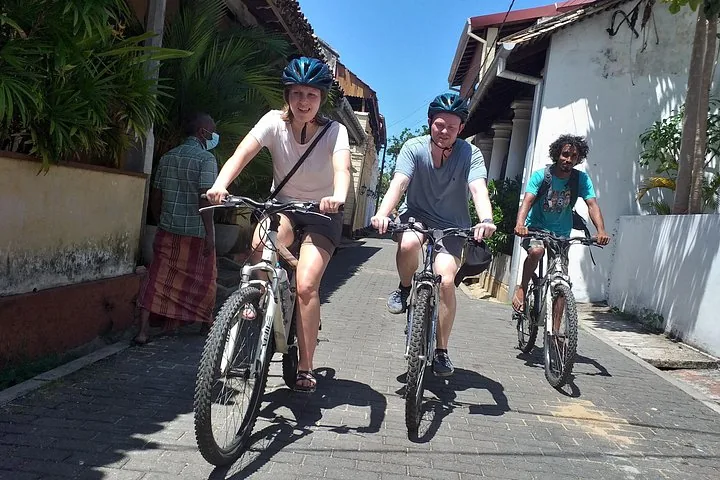

In short
- Wear lightweight, breathable cotton or linen clothing.
- Pack a scarf or sarong to cover shoulders and knees at places of worship.
- Choose walking shoes with good grip for cobblestone streets and uneven ramparts.
In this article
- What is the general dress code for Galle Fort?
- What is the dress code for religious sites in Galle Fort?
- What are the best shoes for exploring Galle Fort?
- How do I protect myself from the sun during a walking tour?
- What should I wear for an evening walk in Galle Fort?
- What else should I pack in my day bag?
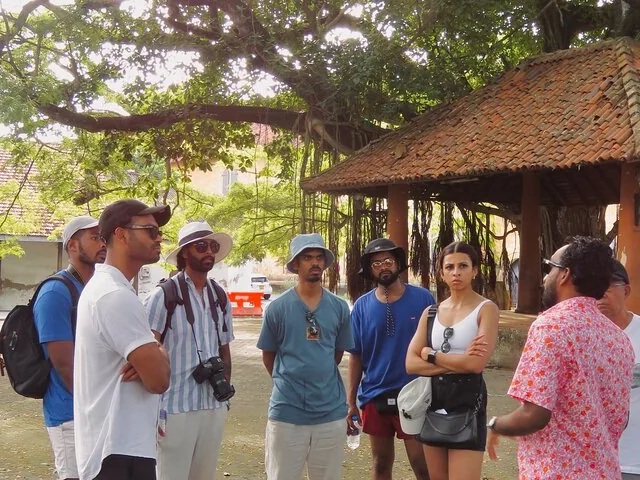
Preparing for a 1.5 to 2.5-hour walking tour means dressing for the tropical sun while respecting local customs. The fort covers roughly 2 to 3 kilometers of walking routes. You will encounter flat, cobblestone interior streets and uneven coastal ramparts. Dressing correctly keeps you cool and ensures you can enter all the historic sites along the way.
What is the general dress code for Galle Fort?
There is no official dress code to enter the main gates and walk the streets.
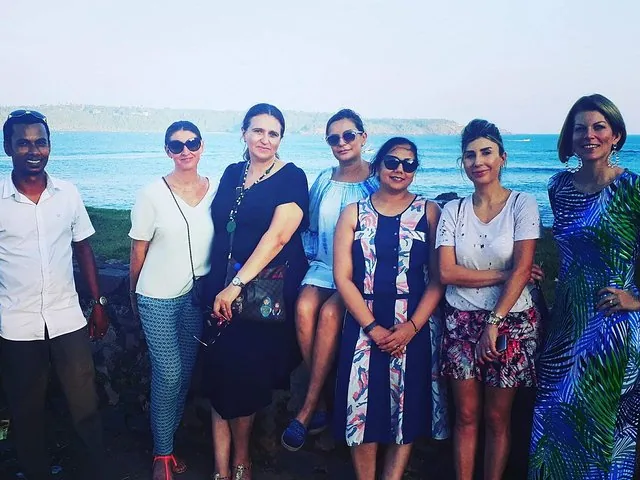
You should wear lightweight, breathable cotton or linen clothing. The climate is tropical year-round. Loose-fitting clothes will help you stay comfortable during a 2 to 3-kilometer walk. Avoid heavy fabrics that trap heat.
What is the dress code for religious sites in Galle Fort?
You must cover your shoulders and knees to enter churches and mosques.
Modest dress is required at sites like the Dutch Reformed Church and the Meeran Mosque. The easiest solution is to pack a scarf or a sarong. You can easily wrap it around your waist or shoulders before entering. Once you leave the building, you can take it off to stay cool.
| Essential Item | Purpose on Tour |
|---|---|
| Scarf or sarong | Covering shoulders and knees at religious sites |
| High SPF sunscreen | Protecting skin from intense tropical sun |
| Umbrella | Providing extra shade or cover from showers |
| Reusable water bottle | Staying hydrated during the 1.5 to 2.5-hour walk |

What are the best shoes for exploring Galle Fort?
Wear comfortable walking shoes with good grip.
The interior streets of the fort are lined with cobblestones. The outer coral and granite edges of the historic ramparts can be uneven. You will walk up to 3 kilometers on a full tour. Proper footwear prevents slipping and keeps your feet comfortable. Avoid high heels or flimsy sandals.
How do I protect myself from the sun during a walking tour?
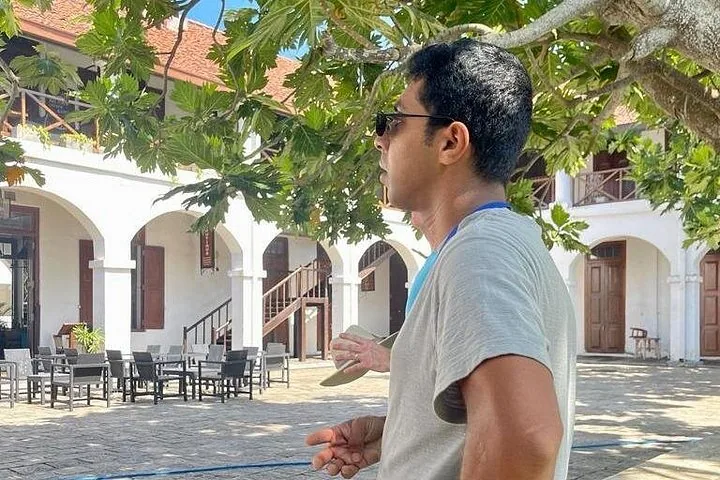
Apply high SPF sunscreen and wear a wide-brimmed hat.
The sun is very strong, especially along the exposed coastal ramparts. Bring sunglasses to reduce the glare from the Indian Ocean. You should also pack an umbrella. It provides excellent portable shade and protects you from unexpected tropical showers. Stay hydrated and avoid starting tours during the peak midday sun between 12 PM and 3 PM.
What should I wear for an evening walk in Galle Fort?
Wear light layers and apply insect repellent.
Late afternoon and evening strolls are highly popular for sunset views from Flag Rock Bastion. As the sun goes down, mosquitoes can appear along the ramparts. Insect repellent will protect your exposed skin while you watch local cliff jumpers or eat street food.
What else should I pack in my day bag?
Bring a reusable water bottle and a fully charged camera or smartphone.
Hydration is critical for a 1.5 to 2.5-hour walk in the heat. A reusable bottle ensures you have water on hand. A full battery is necessary because the fort has many distinct photo spots, like the 1939 Galle Lighthouse. Keep your bag lightweight to avoid strain.

Questions travellers ask
Do I need hiking boots for Galle Fort?
No. The terrain is predominantly flat, with only a minor climb near the Clocktower. Standard, comfortable walking shoes with good grip are perfectly fine for the cobblestones.
Can I buy a sarong inside the fort?
Yes. Many boutique shops inside the fort sell clothing and sarongs. However, they are often priced at a premium. It is cheaper to bring your own modesty layer.
Are shorts allowed in Galle Fort?
Yes, shorts are allowed on the streets and ramparts. However, you will be denied entry to religious sites if your knees are exposed. Bring a wrap to cover your legs when needed.